
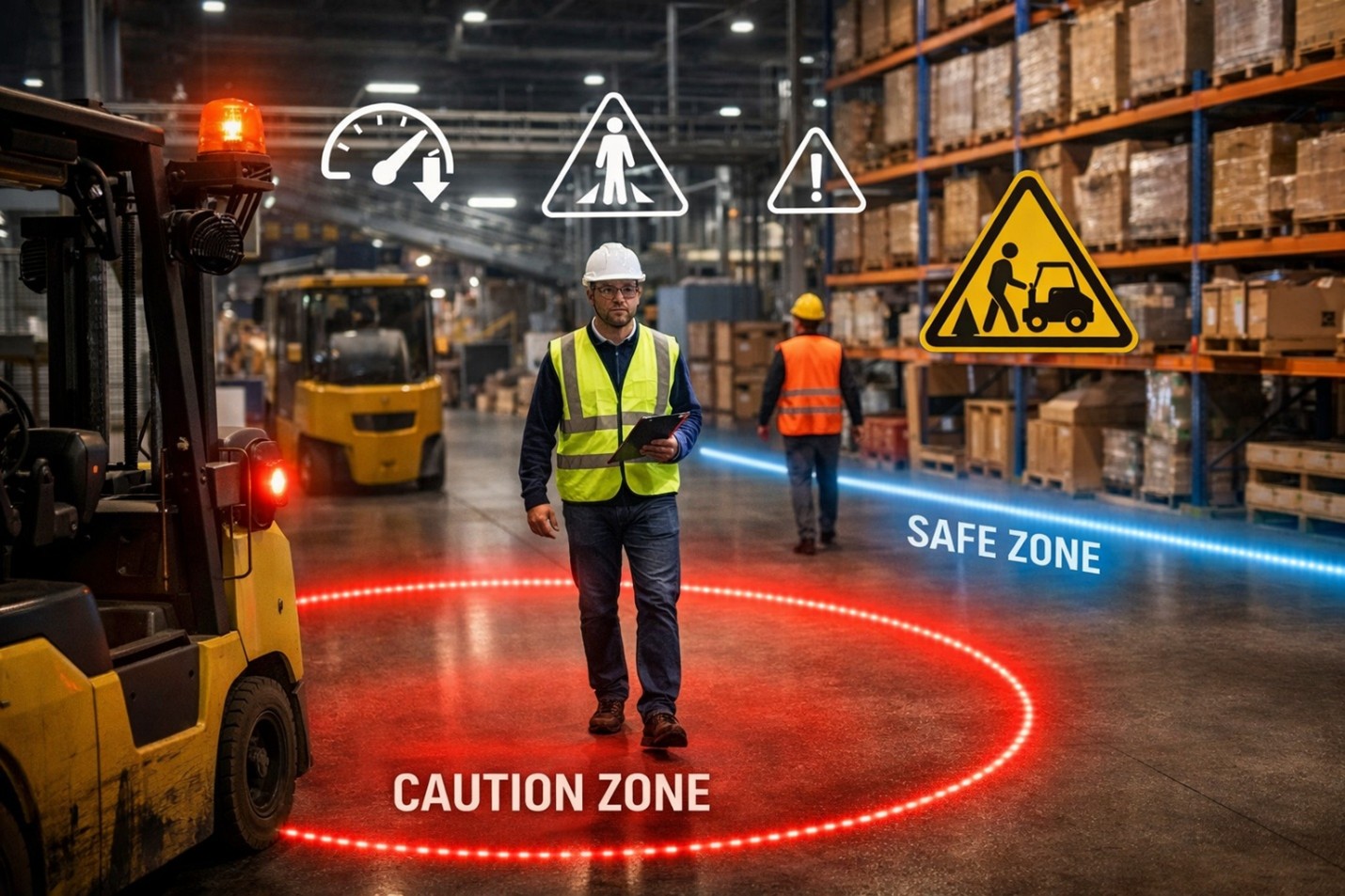
What Is Zone Equipment and Why Does It Matter in Industrial Safety
Workplaces that deal with machines, vehicles, and moving loads carry a quiet risk every day. People move, machines move, and sometimes they cross paths in ways that are not planned. This is where zone equipment becomes part of daily safety, not just an added system. It helps create clear boundaries without building walls.
At the same time, many industries now look toward zone safe solutions to manage space in a smarter way. The idea is simple, but the effect can be strong when applied with care and consistency.
Understanding Zone Equipment in Simple Terms
Zone equipment is used to control how machines behave in specific areas. It sets rules based on location. When a vehicle enters a certain zone, its speed or function can change automatically.
This is not about stopping work. It is about shaping it in a safer way.
Some basic points to understand:
- It divides a workspace into different safety zones
- Each zone has its own control rules
- Equipment reacts based on where it is located
- It reduces the need for constant human monitoring
At its core, zone equipment works quietly in the background. It does not disturb the workflow, but it adds a layer of control that people alone may miss during busy hours.
Why Industrial Spaces Need Defined Zones
Industrial areas are often shared by machines and people. Forklifts, loaders, and workers operate in the same space. Without clear zones, confusion can grow.
A few common challenges seen in such spaces:
- High traffic in narrow aisles
- Sudden movement of vehicles
- Limited visibility in corners
- Mixed-use areas where people walk, and machines operate
Zone safe solutions help reduce these problems by creating invisible boundaries. These boundaries guide machines to behave in a certain way without needing constant signals from operators.
It is not about restricting movement. It is about guiding it in a steady manner.
How Zone Equipment Works in Real Settings
Zone equipment is built to respond to location signals. It connects with sensors and control systems that detect where a vehicle or machine is.
Once a machine enters a zone, the system may:
- Limit the speed of the vehicle
- Restrict lifting height
- Trigger alerts for nearby workers
- Adjust braking or traction
These actions happen without delay. The system does not wait for a mistake. It acts before risk builds up.
Safety Systems & Controls designs such systems in a way that they blend into daily operations. The idea is to keep work moving while keeping people aware and protected.
Types of Zone Safe Solutions Used Today
Different industries need different safety approaches. So, zone safe solutions are not all the same. They can be simple or more advanced, depending on the environment.
Some common types include:
- Speed control zones
Areas where vehicle speed is reduced automatically - Pedestrian zones
Spaces where machines slow down or stop when people are detected - Restricted access zones
Areas where only certain machines are allowed - Loading dock zones
Zones where movement is controlled during loading and unloading
Each type serves a clear purpose. When used together, they form a structured safety system that feels natural to workers over time.
Key Features of Zone Equipment
Zone equipment is designed with practical use in mind. It is not complex for the user, even if the system behind it is detailed.
Important features include:
- Automatic response based on location
- Integration with sensors like radar or camera systems
- Real-time adjustments without manual input
- Support for multiple zones in one facility
Safety Systems & Controls builds systems that connect with modern sensing tools. This allows zone equipment to respond more accurately to real situations, not just fixed settings.
Benefits of Using Zone Equipment
The use of zone equipment brings steady improvements in daily operations. It does not change everything at once, but it builds a safer pattern over time.
Some clear benefits include:
- Reduced risk of collisions between vehicles and people
- Better control over machine movement in busy areas
- Lower chances of sudden damage to goods or equipment
- More confidence among workers during shifts
Zone safe solutions also help in maintaining discipline in operations. When machines follow set rules, people tend to follow safer habits too.
A Simple Comparison of Safety Approaches
Below is a simple table that shows how traditional safety methods compare with zone-based systems:
| Safety Aspect | Traditional Method | Zone Equipment Approach |
| Speed Control | Manual control by the operator | Automatic adjustment by zone |
| Worker Awareness | Signs and instructions | Real-time alerts and controls |
| Risk Prevention | After the incident response | Early action before risk builds |
| Monitoring | Supervisor dependent | System-driven tracking |
| Workflow Impact | Can slow down operations | Keeps the flow steady and managed |
This comparison shows how zone equipment changes the way safety is handled. It shifts focus from reaction to early control.
Where Zone Safe Solutions Are Commonly Used
Zone safe solutions are used in many industrial settings where movement and safety must stay balanced.
Common areas include:
- Warehouses with high vehicle traffic
- Manufacturing plants with mixed operations
- Loading docks with constant movement
- Construction environments with heavy equipment
Safety Systems & Controls has been part of such environments for many years. Their systems are designed to work in places where reliability is expected every day.
The Role of Technology in Zone Equipment
Modern zone equipment does not work alone. It connects with different technologies that improve its response.
These include:
- Camera-based detection systems
- Ultra-wide-band tracking tools
- Radar sensing for distance and movement
- Control units that adjust machine behavior
These technologies turn simple alerts into active control systems. Instead of just warning the operator, the system takes action.
This shift makes zone safe solutions more practical in busy and fast-moving environments.
Challenges Without Proper Zone Equipment
Without zone equipment, safety often depends too much on human attention. And attention can slip, especially during long shifts.
Some risks include:
- Missed signals in crowded areas
- Delayed reaction to sudden movement
- Higher chances of damage to goods
- Stress among workers due to uncertainty
Zone safe solutions help reduce this pressure. They act as a support system that works all the time, even when people are tired or distracted.
Conclusion
Industrial safety is not built in a day. It grows slowly through small, steady steps that shape how people and machines move together. Zone equipment is one such step that feels simple but carries quiet strength.
It does not replace people, but it supports them in ways that are not always visible. With the use of zone safe solutions, workplaces begin to feel more controlled and less uncertain. And over time, that sense of order becomes part of everyday work, almost without notice.
