
Can Construction Vehicle Safety Products Reduce Equipment Collision Risks on Construction Sites?
How often does a close call happen on a jobsite before someone decides the traffic plan needs work? If you manage equipment movement on a construction site, you already know the risk does not come from one reckless moment alone. It builds through blind spots, rushed turns, mixed traffic, changing layouts, and machines that keep moving faster than the site can control them. That is where construction vehicle safety products start to change the outcome.
The right system does more than warn a driver. It slows movement, blocks unsafe actions, marks danger zones, and gives you a tighter grip on how machines move around crews, materials, and access points.
Where Construction Equipment Collisions Actually Start
Most collisions do not begin with impact. They begin with weak movement control.
A loader cuts across a shared lane. A telehandler reverses into a blind corner. A truck enters a work zone at the wrong speed because the limit changes from one area to the next. A spotter gets seen too late. These are movement failures, not just driver errors.
The risk grows when jobsites mix pedestrians, delivery vehicles, lift equipment, and temporary detours in one active footprint. Heavy equipment appears in about 75% of struck-by deaths in construction. That tells you the exposure stays high wherever large machines and ground crews work side by side.
Good operators still need control layers. Strong policies still need hardware. A painted lane or posted speed sign cannot slow a machine on its own. Sites reduce collision exposure when they move from passive reminders to active intervention.
How Construction Vehicle Safety Products Reduce Risk and Improve Site Control
The strongest safety systems do one thing well. They remove guesswork from movement.
Speed Control in High-Traffic Work Zones
Speed turns a small mistake into a major incident. In active haul paths, staging areas, and loading points, fast movement shrinks reaction time for everyone on site. This is why construction vehicle safety products that limit speed by area carry more value than signs alone. A machine does not have to rely on memory when the equipment itself enforces the rule.
That shift helps site teams in two ways. First, it reduces stopping distance in tight zones. Second, it standardizes movement across operators, shifts, and vehicle types. When a driver enters a crowded crossing or delivery point, the vehicle should behave the same way every time.
Blind Spot Monitoring Around Heavy Equipment
Large equipment creates blind arcs that mirrors and cameras do not always solve on their own. Dump trucks, forklifts, tractors, and service vehicles all carry zones where a worker, barrier, or another unit can disappear for a few seconds. Those few seconds do the damage.
Blind spot monitoring works best when it feeds an action layer. A warning without consequence still leaves the next move to the driver. Better systems connect sensors, camera AI, radar, or location tools to a control response.
Pedestrian Detection Near Active Machinery
On many sites, the closest conflict point is not between two machines. It is between a machine and a person on foot. That risk is not small. Construction workers make up 1 in 4 vehicle-related struck-by occupational deaths, which shows how often people on foot get exposed to moving equipment. Laborers cross travel lanes to reach materials. Supervisors walk inspection routes. Vendors and subcontractors enter unfamiliar zones. That mix creates uneven behavior.
This is where construction vehicle safety products earn their place. They help separate human exposure from machine movement by detecting foot traffic, marking pedestrian zones, and triggering a response when a vehicle enters a protected area.
Zone-Based Alerts and Automatic Response Systems
Most job sites do not need one fixed speed for every area. They need different control rules for different conditions.
A vehicle may move at one speed in a perimeter route, another in a laydown yard, and a much lower speed near a loading bay, trench access point, or shared crossing. Zone-based systems handle this better than broad sitewide rules because they match equipment behavior to local risk.
That gives project teams more control over temporary site changes, too. When access roads shift, when delivery traffic spikes, or when a high-footfall task starts, the system can follow the site plan instead of forcing the site plan to follow the machine.
Driver Behaviour Tracking and Intervention
Most incidents have a pattern before they are reported. Hard entries into zones, repeated over-speed events, unsafe shifting, and rushed reversing all show up before collision day.
The best safety programs use equipment data to catch those patterns early. In that setup, construction vehicle safety products do not replace training. They make training measurable. Supervisors can see which routes create repeated violations, which drivers need coaching, and which controls stop bad habits before they spread across the fleet.
Data Tracker for Safer Equipment Movement
Data should help a superintendent make a decision fast. Where is the movement risk, and what control should change first?
A useful tracker does not flood teams with noise. It flags movement patterns that connect to exposure.
| What to Track | Why It Helps | What It May Show |
| Zone entry speed | Shows where drivers enter too fast | Poor transition points near work zones |
| Repeated alert events | Identifies recurring conflict points | Blind corners, congested crossings |
| Shift inhibition triggers | Reveals unsafe operating behavior | Rushed maneuvers or misuse |
| Pedestrian detection events | Highlights worker exposure areas | Routes that need separation or rerouting |
| Vehicle route history | Maps risky movement flow | Traffic plans that need redesign |
Why Loading Zone Safety Systems Are Changing How Sites Handle Vehicle Risk
Our company focuses on active control for mixed fleets used across construction, industrial yards, loading zones, and heavy vehicle environments. That difference shows up in how the systems manage speed, shifting, and zone behavior, not just how they signal danger.
We build our approach around action, not noise. We design systems that move a site from alerts alone to enforced equipment behavior.
Since 1994, the company has worked with OEMs, dealers, and operators that need retrofit-ready safety controls across older and newer fleets. That makes the offer useful for projects that cannot replace equipment just to improve site safety.
We support retrofit installs so crews can tighten site control without overhauling the fleet.
PACE – ONE™ ZSC Zone Speed Control

PACE-ONE™ ZSC fits sites where traffic density changes from one area to the next. Instead of asking operators to remember every speed rule, it applies location-based control. That works well for sites with haul routes, loading points, and pedestrian crossings inside the same footprint.
RF Transmitters Nomad™
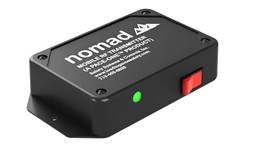
Nomad transmitters make more sense on sites that keep changing. Temporary work areas, mobile hazard zones, and shifting access lanes need portable control points. A movable transmitter strategy helps the safety plan keep up with site activity instead of staying fixed while the risk moves elsewhere.
DOT-LOK™ G2 Shift Inhibitor
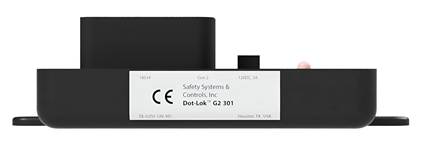
DOT-LOK™ G2 targets another weak point in equipment movement. Unsafe shifting can damage drivetrains, create sudden vehicle behavior, and add risk in active zones. A shift inhibitor adds discipline at the machine level. That protects equipment and helps operators avoid actions that should never happen in a high-risk area.
What to Evaluate Before Choosing Construction Vehicle Safety Products
Not every site needs the same control package. The right choice depends on vehicle mix, traffic density, pedestrian exposure, and how often the layout changes. Start with the points below before you buy anything:
- Check whether the system enforces action or only issues warnings.
- Look at retrofit fit for older machines and mixed fleets.
- Review how the product handles blind zones, shared lanes, and temporary work areas.
- Ask how the control layer works with camera, radar, or location tools.
- Confirm installation method, maintenance load, and operator acceptance.
You should also ask one hard question. Will this product change equipment behavior when risk appears, or will it just tell someone to react faster? That gap separates surface-level tools from serious industrial safety systems.
Conclusion
Construction sites do not reduce collision risk through policy alone. They do it by controlling how equipment moves, where it slows, when it stops, and which unsafe actions get blocked before impact. The strongest construction vehicle safety products give you that control in a form your site can actually use across changing conditions, mixed fleets, and active work zones.
If your team wants tighter movement control without losing operational flow, order a system built to turn risk signals into action with us.
FAQs
1. Can vehicle safety systems work on older construction equipment?
Yes. Many modern systems are built for retrofit use, which makes them suitable for older fleets. That helps contractors improve movement control without replacing serviceable equipment.
2. Do these systems only work for large contractors?
No. Small and mid-sized contractors often face the same traffic conflicts in tighter spaces. A smaller fleet can still carry high exposure if pedestrians and equipment share the same work area.
3. Will operators resist speed control and shift inhibition systems?
Some do at first. Resistance drops when crews see that the system reduces close calls, protects machines, and applies the same rules to every operator and shift.
4. What type of jobsite gains the most from zone-based control?
Sites with changing layouts, shared access lanes, frequent deliveries, and mixed foot traffic usually gain the most because local risk changes across the day and by task phase.
5. Can these systems help with incident reviews and safety planning?
Yes. Event logs, route data, and repeated alert patterns can show where exposure builds. That gives supervisors stronger evidence when updating traffic plans, training, and equipment rules.
