
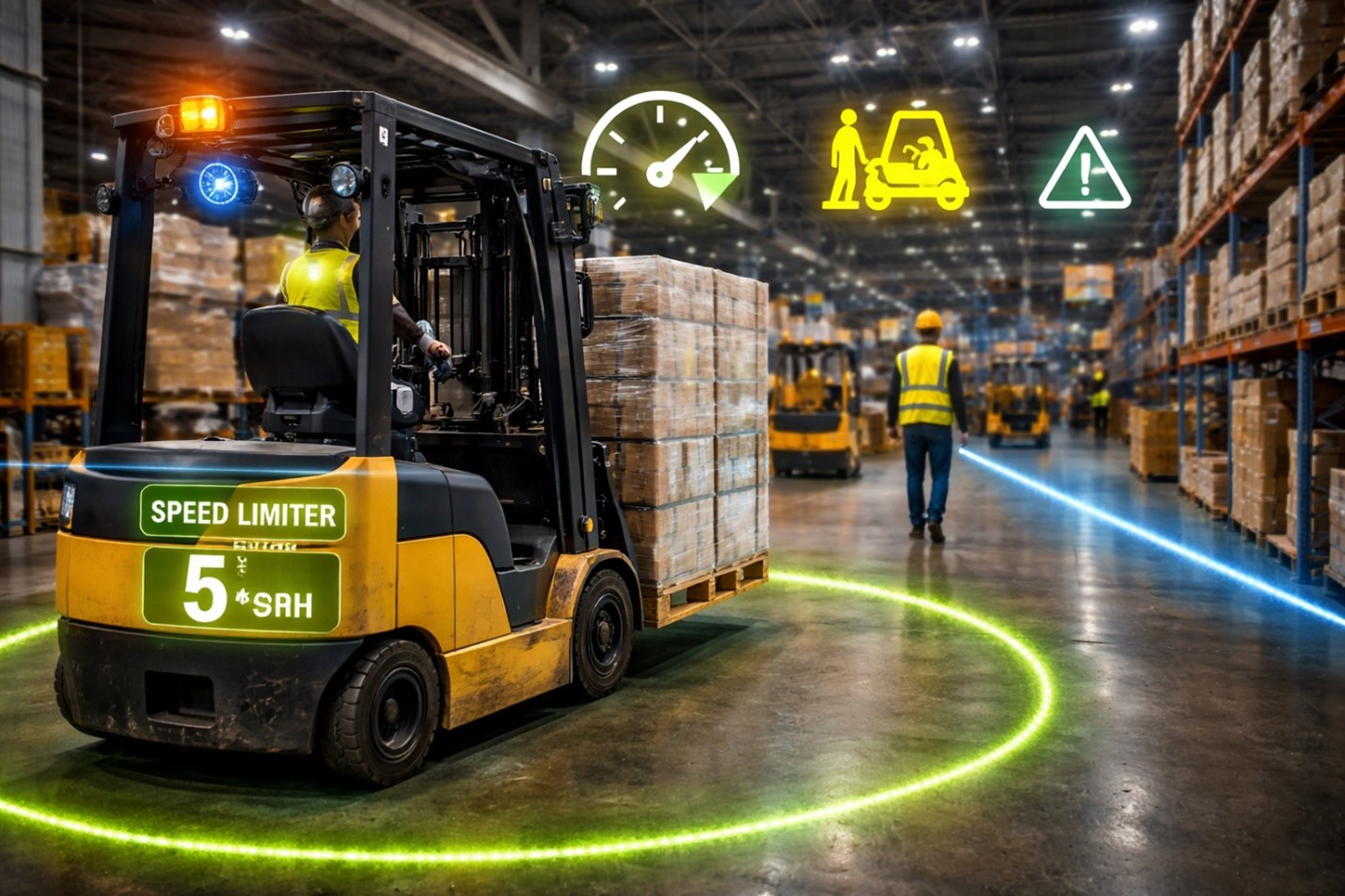
The Role of Speed Control in Enhancing Electric Forklift Efficiency
In many industrial spaces, work moves at a steady but demanding pace. Forklifts move goods, people walk nearby, and time often feels tight. In such places, even small control over movement can change how work feels and flows. One such factor is speed. It may sound simple, but how fast or slow a forklift moves has a strong effect on safety and efficiency.
This is where electric forklift speed control becomes a quiet but steady support in daily operations. It helps balance movement, reduce strain on machines, and keeps work more stable without making things complicated.
What is Speed Control in Electric Forklifts
Speed control in electric forklifts is not just about slowing a machine. It is more about guiding how the vehicle behaves in different situations. A forklift moves through narrow aisles, busy loading zones, and shared paths where people walk.
Electric forklift speed control systems adjust the vehicle’s speed based on:
- Location inside the facility
- Load weight and height
- Turning angles and traction
- Nearby movement of people or other vehicles
This approach feels less like a restriction and more like support for the operator.
Why Speed Management Matters in Daily Operations
In many workplaces, speed is often linked with productivity. Yet, too much speed brings hidden risks that are not seen right away. A sudden turn, a wet floor, or a crowded aisle can turn into a problem quickly.
Some common issues caused by poor speed handling include:
- Minor collisions that damage racks or goods
- Sudden braking that affects load stability
- Operator fatigue from constant corrections
- Increased maintenance due to wear and tear
Electric forklift speed control helps reduce these problems in a simple, steady way.
How Speed Control Supports Operator Confidence
Operators work long shifts, and their comfort matters more than most people think. When a forklift responds in a predictable manner, the operator feels more in control. There is less guesswork, and fewer sudden reactions are needed.
A well-set system can:
- Maintain a steady speed in tight areas
- Reduce sharp movements during turns
- Help new operators learn faster
- Lower stress during peak hours
Safety Systems & Controls designs systems that support this natural driving feel, without making the machine feel restricted or rigid.
Key Features of Modern Speed Control Systems
Modern systems are built with practical features that match real working conditions. They do not rely on one single method but combine different controls to manage speed.
Some important features include:
- Zone-based speed limiting for specific areas
- Mast height-based speed adjustment
- Traction control for uneven surfaces
- Integration with sensors for nearby activity
These features work together, quietly in the background, without disturbing the flow of work.
A Simple View of Speed Control Functions
| Function Type | What It Does | Where It Helps Most |
| Zone Speed Limiter | Adjusts speed in defined areas | Warehouses and loading docks |
| Mast-Based Limiter | Reduces speed at higher lift levels | High stacking operations |
| Traction Control | Prevents slipping or sudden motion | Wet or uneven floors |
| Idle Limiter | Controls unnecessary running time | Long shift operations |
| Pedestrian Detection | Slows down near people | Mixed-use workspaces |
This table gives a simple idea of how different parts of the system come together.
Reducing Operational Costs Through Better Speed Control
Cost is always part of the discussion, even if it is not spoken openly. Small impacts, frequent repairs, and energy waste can slowly affect the overall budget.
With proper electric forklift speed control, companies often notice:
- Less damage to goods and storage systems
- Lower repair and maintenance needs
- Reduced energy use due to smoother operation
- Longer life of tires and mechanical parts
Safety Systems & Controls focuses on these small improvements that build long-term savings.
Improving Safety Without Slowing Work
There is often a concern that safety systems might slow things down too much. In reality, balanced speed control does the opposite. It removes hesitation and sudden stops, which actually saves time.
In busy environments:
- Controlled speed keeps movement steady
- Fewer interruptions mean smoother workflows
- Operators spend less time correcting mistakes
- Teams feel more comfortable working around vehicles
This creates a workspace where safety and productivity sit side by side.
Integration with Advanced Safety Technologies
Modern industrial spaces are not the same as they were years ago. There are more tools, more movement, and more shared areas. Speed control systems now work with other technologies to create a connected setup.
Safety Systems & Controls integrates speed control with:
- Camera-based monitoring systems
- Ultra-Wide-Band tracking for proximity
- Radar-based detection for obstacles
- Automated alerts linked with speed adjustment
These connections allow the system to respond in real time, rather than relying on fixed rules.
Real-World Impact on Workplace Flow
When speed control is applied properly, the change is not always dramatic, but it is noticeable. Work becomes smoother, and small delays start to fade away.
Operators often report:
- Less need for sudden braking
- Better handling in crowded areas
- More predictable machine behavior
- Reduced tension during busy shifts
Electric forklift speed control quietly shapes these outcomes without drawing much attention to itself.
Choosing the Right Approach for Your Facility
Every facility has its own layout and challenges. Some have narrow aisles, while others deal with outdoor loading zones. This means speed control should not be the same everywhere.
Things to consider include:
- Type of goods being handled
- Level of foot traffic
- Floor conditions and gradients
- Shift patterns and workload
Safety Systems & Controls builds solutions that can be adjusted to match these conditions, rather than forcing a single setup.
Conclusion
When people think about forklifts, they often think about lifting and moving, not about how speed shapes each action. Yet, it quietly affects safety, cost, and daily comfort. Electric forklift speed control brings a kind of balance that feels natural after some time.
It does not demand attention, but it supports every movement in the background. Safety Systems & Controls continues to work in this space with a steady focus on real needs, helping workplaces move forward with care and consistency.
